
James C. Flood Estate
Dating back to the 1870s, James C. Flood purchased about 600 acres in the area, soon to be Menlo Park. He was a saloon keeper in the early days of San Francisco and ended up making his fortune through mining.
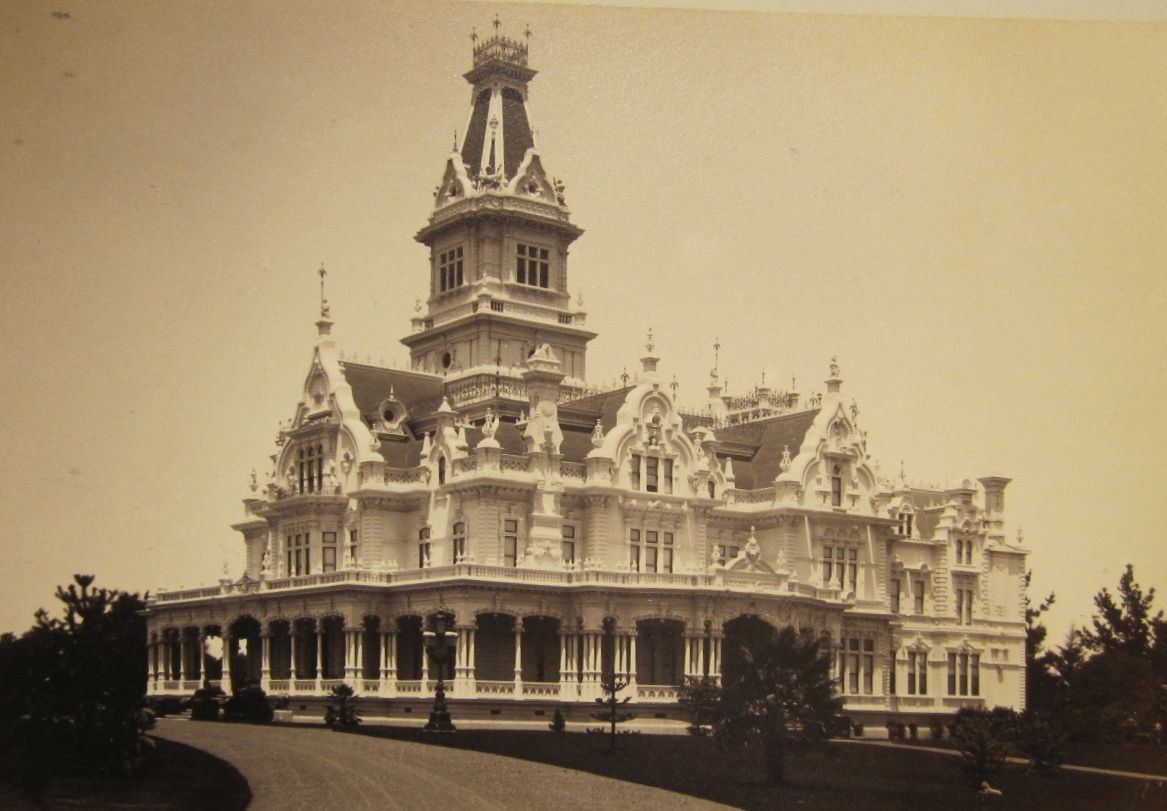
Linden Towers:
James C. Flood Estate
Interesting 1948 history article on James Flood, his estate, and the beginnings of Flood Park
Interesting Fact
James Flood’s daughter inherited the estate and eventually gave it to the University of California. UC later re-sold it to James L. Flood, son of Flood Sr., and he unlocked the gates so that the surrounding community and the general public could “walk or ride through the beautiful estate and enjoy the wonders of nature and the amazing things which the hand of man had wrought.”
Additional Information
Excerpt from the County Parks website on the History of Flood Park:
Flood Park is located within the area formerly inhabited by the Costanoan Indians, a hunting, fishing and gathering culture. No evidence of early Native American habitation exists within the park, but Indian shell mounds have been found within a radius of three miles. With the arrival of early European explorers and settlers, the local population and land came under the influence of the California Mission system. The area became part of the Spanish Rancho de Las Pulgas. As the years progressed after the Mexican/American war, portions were sold off and developed.
In about 1863, James Clair Flood, the son of an Irish immigrant became a wealthy man by cashing in on the Comstock Lode. He purchased a 600-acre tract known as the Carroll property and built his opulent residence, Linden Towers.
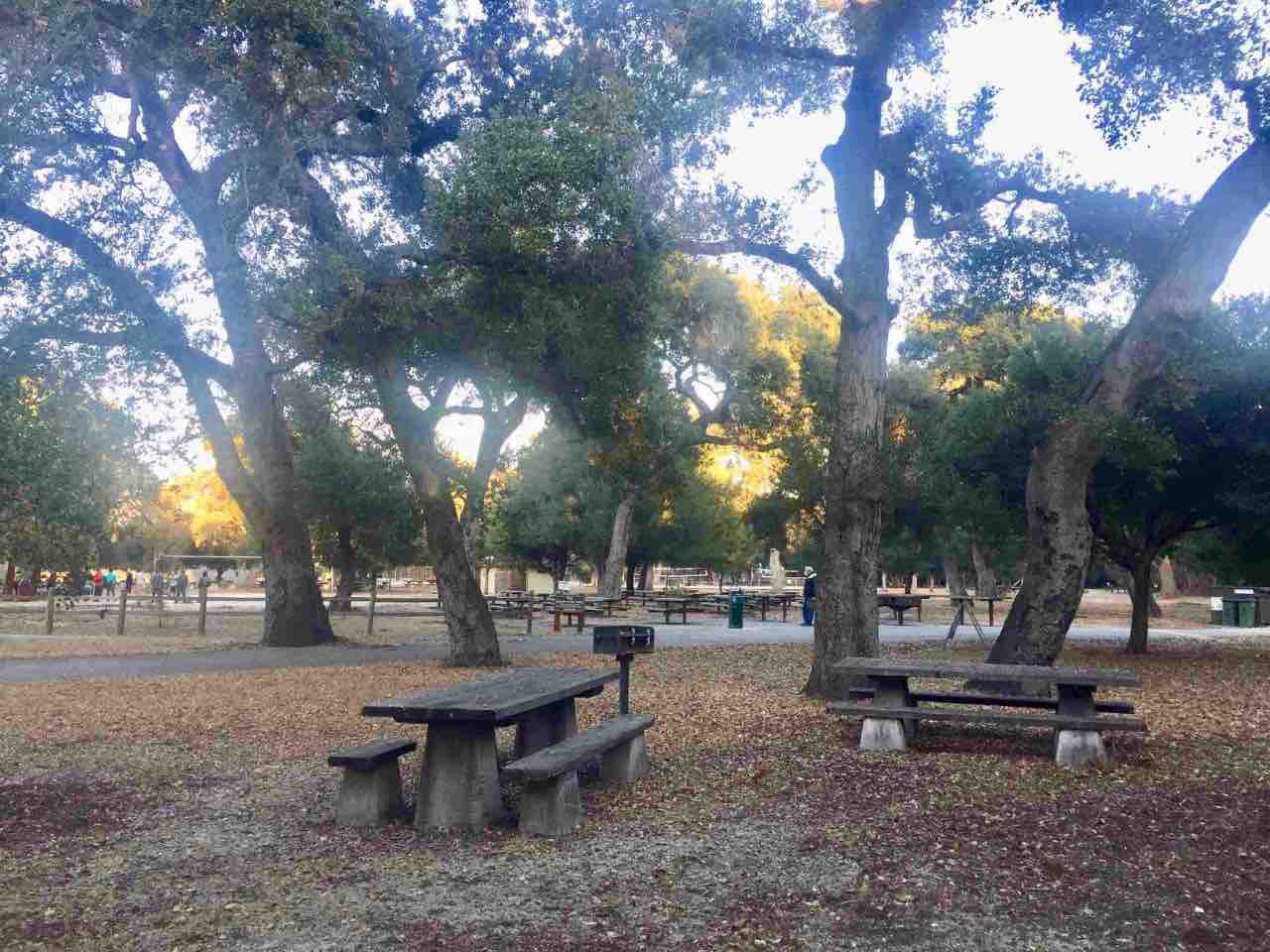
In the early 1930’s, a special tax was levied in the County to provide for parks and park facilities. Funds became available and the current 21-acre parcel of the Flood estate that was being sold off for subdivisions was purchased. About 1936, the Work Progress Administration, in an effort to provide work for those without jobs in the Great Depression, constructed an administration building, a swimming pool, the maintenance area, the caretaker’s residence, two restrooms and the picnic sites in the park. The swimming pool is believed to have been the first public swimming pool in the country. In the early 1950’s, parking, a baseball field, a softball field, and tennis courts were added.